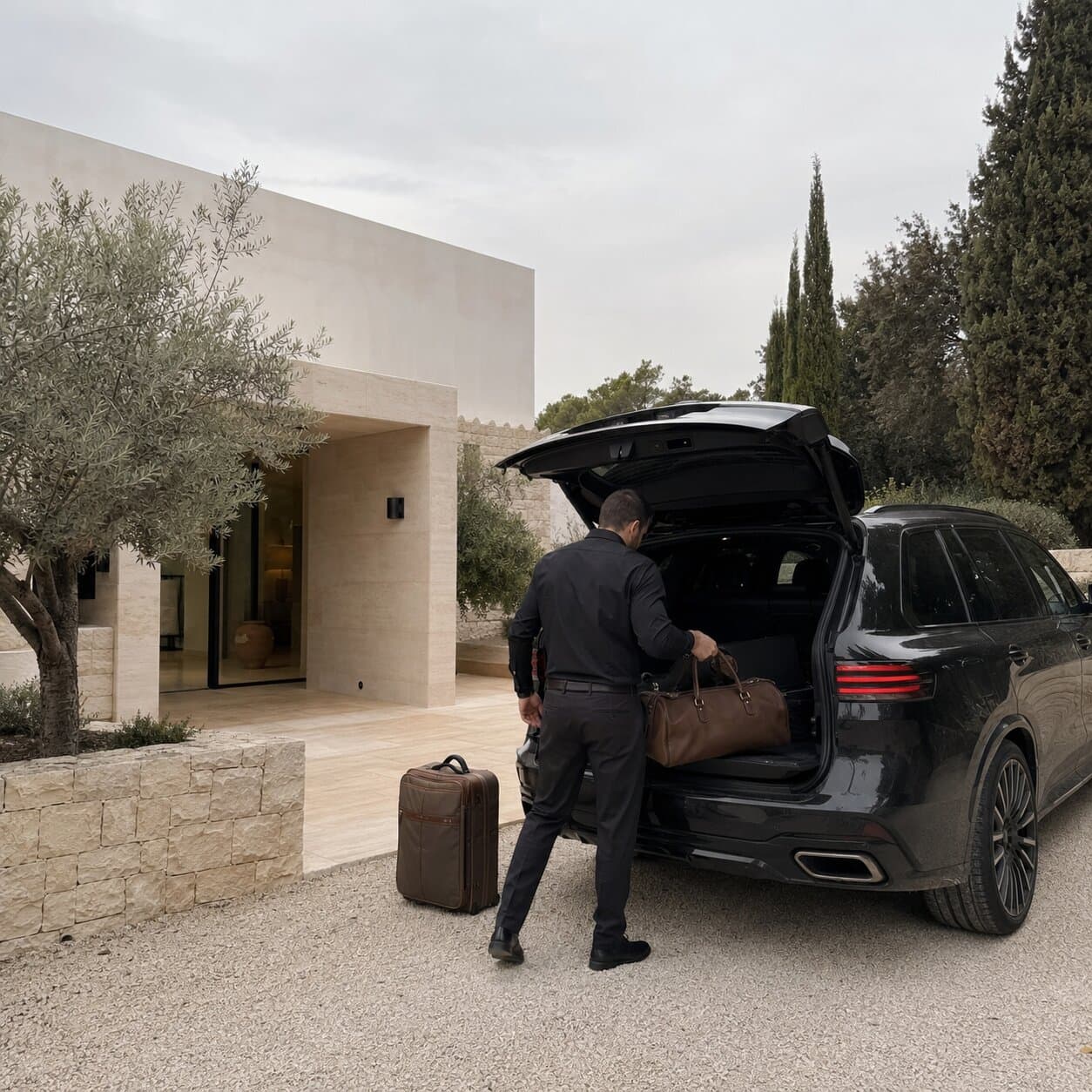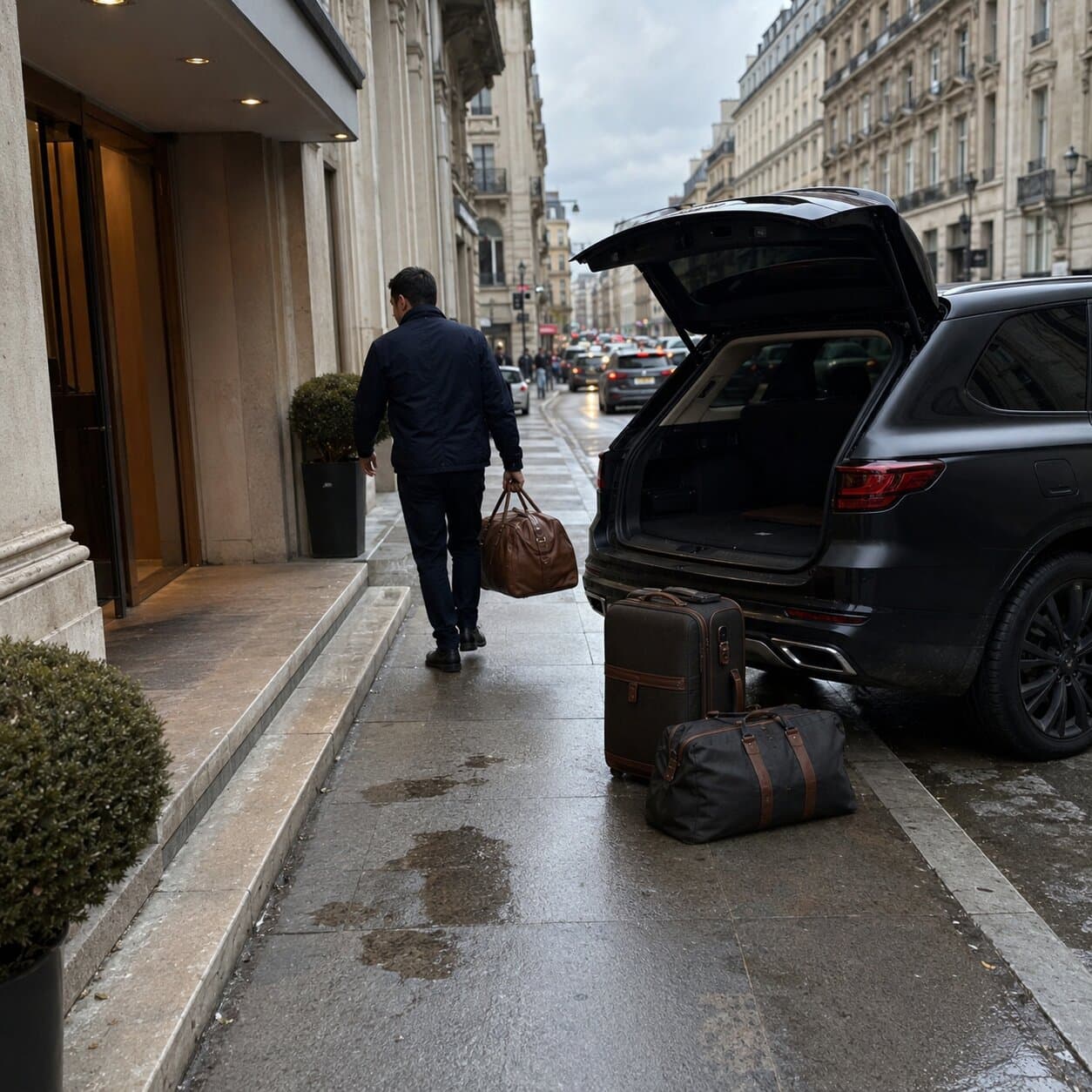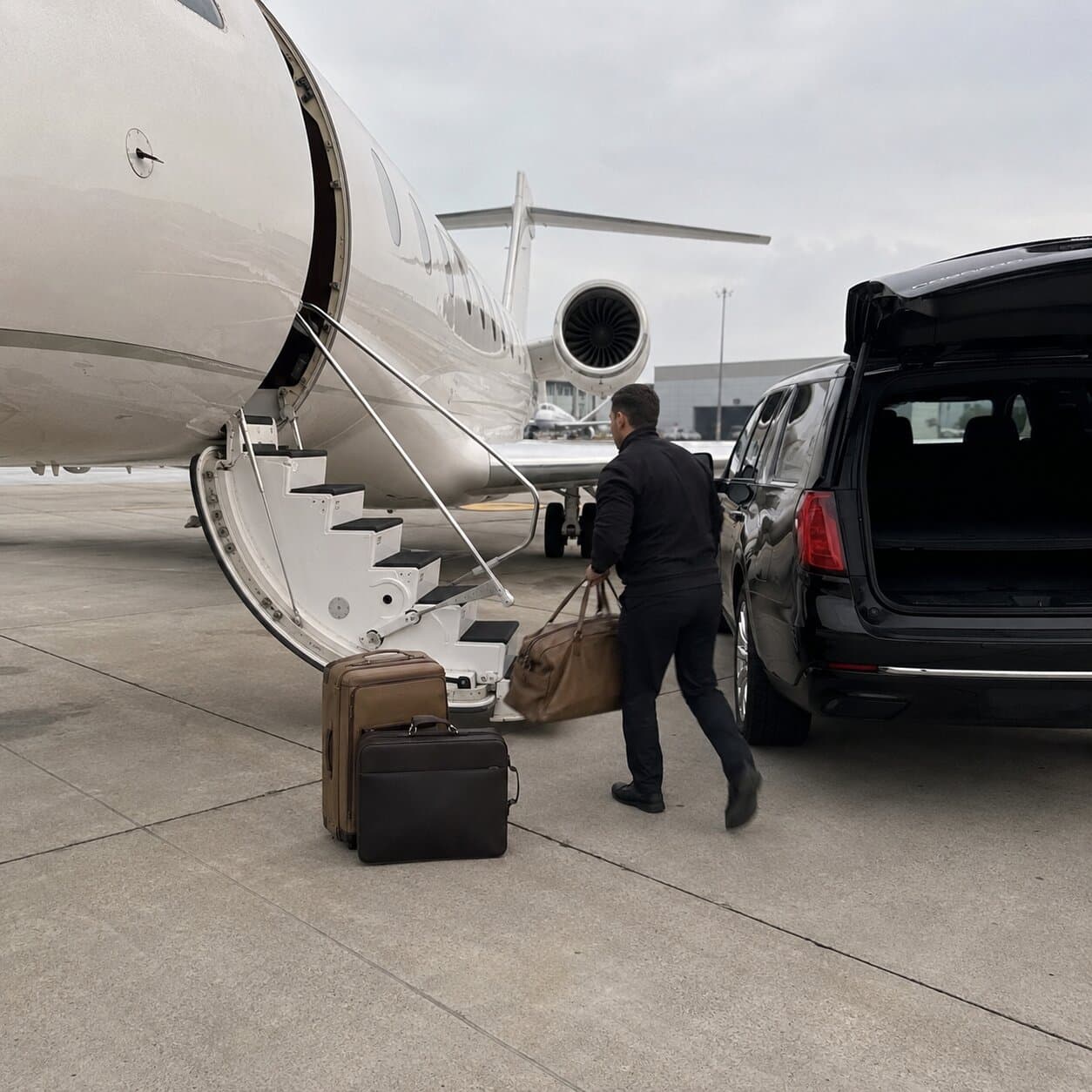
Private aviation starts with the mission. Passenger count, luggage, route distance, and the airports at each end determine which category of jet fits. Range decides whether the route flies nonstop or needs a fuel stop. The flight itself is the visible part. The coordination around it, permits, slots, catering, and ground transport at both ends, is where the work sits.
Which aircraft fits the route?
Jets are grouped by capability, from very light jets through light, midsize, super-midsize, heavy, and ultra-long-range aircraft, up to VIP airliners. The category follows the requirement, not preference. A short regional hop and a transatlantic flight call for different aircraft. Range is the deciding factor: a jet has to make the route comfortably nonstop, or the plan absorbs a fuel stop. Passenger count and luggage set the cabin and hold. The right aircraft is the smallest one that meets the mission without compromise.
How do the airports shape the choice?
The airports at each end constrain the aircraft as much as the route does. Runway length rules some jets in or out of shorter or high-altitude strips. Private terminals, known as FBOs, handle arrivals and departures away from commercial traffic, and their hours, slots, and local curfews shape departure and landing times. A destination with a limited airport can change which aircraft is viable before anything else is decided.
What are the ways to book?
On-demand charter covers a single defined trip. Jet cards and fractional programs suit clients who fly frequently and want fixed rates or guaranteed availability. Empty legs, the repositioning flights an aircraft makes without passengers, can lower cost significantly when timing and route happen to align, with less flexibility in exchange. The right structure depends on how often the client flies and how much certainty the schedule needs.
Where does private aviation go wrong?
Most problems are structural. Repositioning fees that are not accounted for at quote. An aircraft chartered that cannot make the route nonstop. A slot or curfew missed at a constrained airport. Weather and de-icing delays with no rebooking plan. Catering and cabin preferences overlooked. Ground transport left uncoordinated, so the client lands privately and then waits. No backup aircraft when one goes mechanical close to departure. Holding the operator relationships, the terms, and a plan B removes most of these before they reach the day of travel.
One standard, in the air anywhere
Private aviation is one of the three services Global Reservations coordinates globally, alongside villas and yachting. The flight rarely stands alone. It connects to the transfer waiting at the FBO, the villa ready on arrival, and the schedule built around landing time, held under one point of control so the movement between two places runs as a single plan.
Planning Something Similar?
Tell us the group, the dates, and what you have in mind. We will take it from there.